
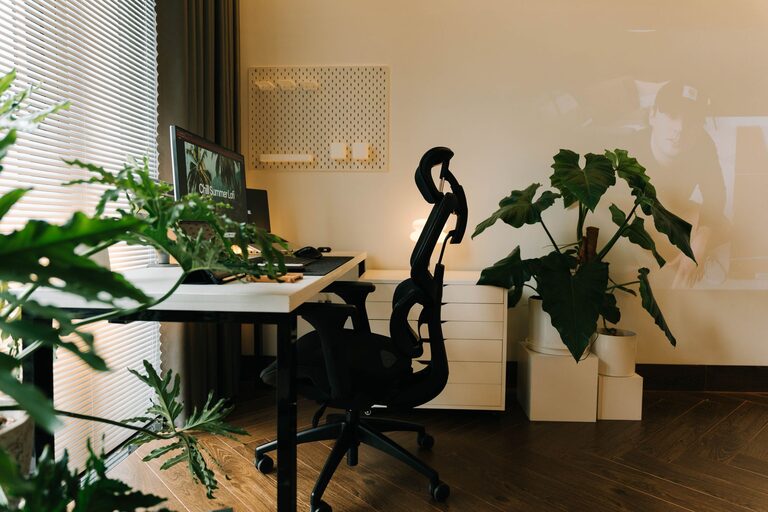
Creating a relaxing home office environment is essential for maintaining focus, reducing stress, and improving overall productivity. Whether you work full-time from home or occasionally find yourself completing tasks outside of the traditional office, having a comfortable space tailored to your needs makes a big difference. In this post, we’ll explore practical tips to help you design a calming workspace that promotes well-being and efficiency.
Why a Relaxing Home Office Matters
Working from home often blurs the lines between personal and professional life. Without clear boundaries, stress and distractions can easily build up. A relaxing home office serves as a dedicated area where you can concentrate on your work, remain organized, and feel calm. This setup not only improves work output but also nurtures your mental health.
Choose the Right Location
Finding the ideal spot for your home office is the first step:
– Quiet Area: Pick a space away from household noise like the kitchen or living room.
– Natural Light: Position your desk near a window to benefit from daylight, which can boost mood and energy.
– Space to Move: Make sure there’s enough room for your chair and some movement to avoid feeling cramped.
If space is limited, consider a corner nook or a fold-away desk that can create a defined work zone.
Invest in Comfortable Furniture
Comfort plays a key role in reducing physical strain and keeping you focused:
– Ergonomic Chair: Choose a chair with good lumbar support and adjustable height to encourage proper posture.
– Desk Height: Your desk should allow your elbows to rest at a 90-degree angle when typing.
– Footrest or Cushion: Use these if your feet don’t comfortably touch the floor to improve circulation.
Adding cushions or a soft throw to your chair can make long work sessions more enjoyable.
Keep Your Space Organized
A clutter-free environment helps clear the mind:
– Storage Solutions: Use shelves, drawers, or filing cabinets to store documents and supplies neatly.
– Minimal Desk Setup: Only keep items you frequently use on your desktop to avoid distractions.
– Cord Management: Use cable organizers to prevent tangled wires and maintain a clean appearance.
Set aside a few minutes each day to tidy up your workspace before finishing work to maintain order.
Incorporate Calming Colors and Decor
The colors and decor you choose can influence your mood:
– Soft Color Palette: Opt for soothing shades like pale blues, greens, or neutrals.
– Plants: Adding greenery not only brightens the space but also improves air quality and reduces stress.
– Personal Touches: Include photos, inspirational quotes, or art that motivates you without causing distractions.
Avoid overcrowding your space with decorations to maintain a clean, peaceful vibe.
Control Lighting and Temperature
Proper lighting and temperature contribute greatly to comfort:
– Layered Lighting: Use a combination of natural light, overhead lights, and a desk lamp to reduce eye strain.
– Adjust Brightness: Choose bulbs with adjustable brightness or color temperature to suit different times of the day.
– Comfortable Temperature: Keep the room at a comfortable temperature, using fans, heaters, or open windows as needed.
Good lighting and temperature control help maintain focus and prevent fatigue.
Minimize Noise Distractions
Noise can be a major barrier to concentration:
– Noise-Cancelling Headphones: Use these to block out background noise during work.
– Soft Background Music: Gentle instrumental music can boost concentration for some people.
– Soundproofing: Consider rugs, curtains, or wall panels that absorb sound if you are in a noisy environment.
Communicate with family members or housemates about your work hours to reduce interruptions.
Establish a Routine and Boundaries
Creating habits helps your mind switch into work mode:
– Designated Work Hours: Set clear start and end times for your workday to maintain balance.
– Breaks and Movement: Take regular short breaks to stretch, walk, or rest your eyes.
– Work-Only Zone: Limit other activities in your home office to keep the area dedicated to work.
A consistent routine reinforces productivity and signals your brain to focus.
Add Relaxation Elements
Balance productivity with moments of calm right in your workspace:
– Aromatherapy: Use subtle scents like lavender or eucalyptus with a diffuser to create a relaxing atmosphere.
– Comfort Items: Keep items like a favorite mug for tea, a soft blanket, or stress-relief gadgets nearby.
– Mindfulness Space: If possible, include a small area for deep breathing or quick meditation to reset your focus.
These touches can reduce stress and refresh your mind during busy days.
—
A well-designed and relaxing home office is achievable with intentional choices. By focusing on comfort, organization, lighting, and atmosphere, you can create a space that supports both your professional goals and personal well-being. Start with small changes and tailor your setup to what makes you feel most at ease and productive. Your workday—and your mindset—will thank you!