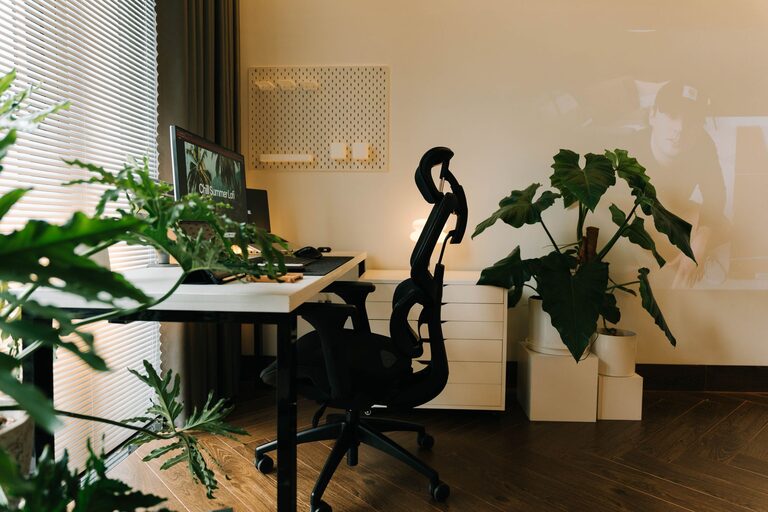
Creating a home workspace that is both cozy and functional is an excellent way to enhance your productivity while making your daily work routine more enjoyable. Whether you work remotely full-time or need a dedicated space for occasional tasks, designing an area that feels inviting and serves your needs can have a big impact on your focus and well-being. In this post, we’ll explore useful tips and ideas to help you build a home workspace that strikes the perfect balance between comfort and efficiency.
1. Choose the Right Location
Selecting the ideal spot for your workspace is the foundation of a successful setup. Here are a few factors to consider:
– Natural light: Position your desk near a window if possible. Natural light improves mood and reduces eye strain.
– Quietness: Find a part of your home with minimal distractions and noise.
– Space availability: Ensure there is enough room for essential furniture and equipment.
– Separation: If you can, separate your work area from living spaces to create a mental boundary between work and relaxation.
2. Invest in an Ergonomic Chair and Desk
Spending hours working means your comfort matters. An ergonomic chair supports your back and promotes good posture, reducing the risk of discomfort or injury. Likewise, a desk at the right height helps prevent strain on your wrists and shoulders.
– Look for chairs with adjustable height, lumbar support, and comfortable padding.
– Choose a desk size that accommodates your computer, keyboard, and workspace essentials without feeling cramped.
– Consider standing desks or adjustable desks to switch positions throughout the day.
3. Organize with Functional Storage
Clutter can distract and stress you. To keep your workspace tidy yet functional, invest in storage solutions that suit your needs:
– Drawers and shelves: Use these to store papers, office supplies, and books within easy reach.
– Desk organizers: Small containers for pens, notepads, and cables keep your desk orderly.
– Cable management: Use clips, sleeves, or boxes to hide cables and avoid tangles.
Maintain a habit of clearing your desk at the end of each day to keep the mess from building up.
4. Personalize Your Space
Adding personal touches can make your workspace feel cozy and inspiring:
– Use artwork, photos, or plants to add color and life.
– Choose colors that calm you, like soft blues, greens, or neutrals.
– Consider scented candles or a diffuser with your favorite essential oils (safely away from electronics).
– Add a cozy throw or cushion on your chair for warmth and comfort.
Personal elements can motivate you and reduce the sterile feel often found in typical office environments.
5. Prioritize Proper Lighting
Good lighting improves your focus and reduces eye fatigue:
– Use a combination of natural light and artificial light.
– Invest in an adjustable desk lamp with warm light tones to reduce glare.
– Avoid harsh overhead lighting; soft ambient lighting creates a comfortable atmosphere.
If your workspace lacks windows, consider full-spectrum or daylight lamps to mimic natural light.
6. Incorporate Technology Thoughtfully
Technology powers your work, but it should serve without overwhelming:
– Ensure your internet connection is reliable and fast.
– Choose monitors or screens with adjustable height and blue light filters.
– Use wireless accessories to reduce cable clutter.
– Position your devices ergonomically to avoid neck or wrist strain.
Set up your workspace so technology enhances productivity but doesn’t take over the space or cause distractions.
7. Maintain Good Air Quality and Temperature
Comfort is more than just furniture and lighting. Fresh air and a comfortable temperature affect your focus and energy:
– If possible, open windows regularly to circulate air.
– Use an air purifier to reduce dust and allergens.
– Set your thermostat to a comfortable temperature, usually between 68–72°F (20–22°C).
– Have a small fan or heater nearby to adjust comfort individually.
8. Set Boundaries and Schedules
A cozy and functional workspace is supported by healthy work habits:
– Designate your workspace strictly for work-related activities.
– Establish a regular work schedule to help your brain associate the space with productivity.
– Take periodic breaks to stretch and rest your eyes.
– Communicate workspace boundaries to others in your household to minimize interruptions.
9. Keep It Flexible
Your needs may change over time, so build flexibility into your workspace:
– Choose modular furniture you can rearrange easily.
– Use multi-purpose items like storage ottomans or foldable desks.
– Keep space for notebook writing or creative brainstorming away from screens.
Flexibility lets your workspace evolve with your work style and preferences.
—
Final Thoughts
Designing a cozy and functional home workspace is a personal journey that combines practicality with comfort. By thoughtfully selecting the location, investing in ergonomic furniture, organizing efficiently, and personalizing your environment, you can create a space that not only supports your work but also promotes well-being. Remember, the best workspace is one that feels just right for you and encourages focus, creativity, and balance.
Try implementing a few of these tips and enjoy making your home workspace an inviting place to be!