
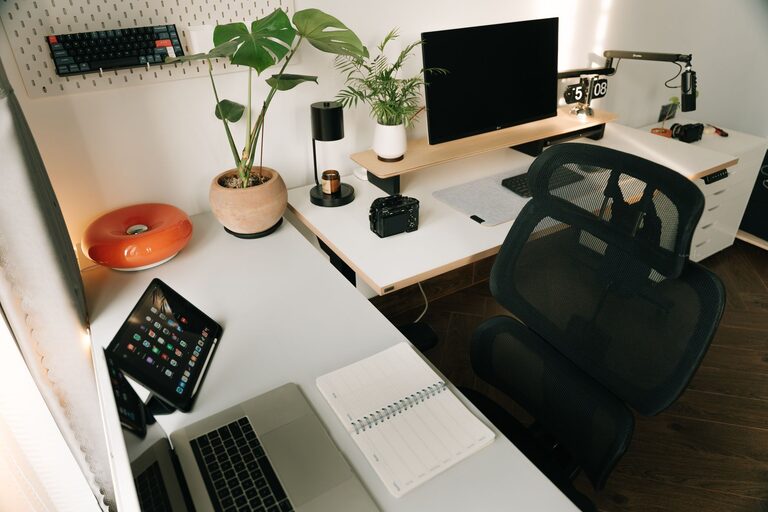
Creating an efficient and comfortable home office is essential for anyone working remotely or managing personal projects. A well-organized workspace not only helps you stay focused but also reduces stress and makes your workday more enjoyable. If your current setup feels cluttered or uninspiring, don’t worry! Here are creative ways to organize your home office that can enhance productivity and create a cozy, inviting atmosphere.
1. Define Your Workspace
Before diving into organization, carve out a dedicated area for your office. If you don’t have a separate room, try using a corner or a nook in a shared space. Clearly defining your workspace mentally separates work from relaxation, helping you stay focused during work hours and unwind after.
Tips for Defining Your Workspace
– Use a small room divider or bookshelf to mark boundaries.
– Choose a consistent spot for your desk and chair.
– Add a rug beneath your chair to visually separate the area.
2. Declutter to Refresh Your Space
Clutter distracts and drains energy. Start by clearing everything off your desk and sorting items into “keep,” “discard,” or “relocate” piles. Limit what stays on your desk to only essentials.
Decluttering Ideas
– Use digital notes and apps to reduce paper overload.
– Recycle outdated documents and broken office supplies.
– Store reference books and materials in shelves rather than on your desk.
3. Use Vertical Storage Solutions
When floor space is limited, think vertical! Wall-mounted shelves, pegboards, and filing pockets make use of empty wall space and free up your desktop.
Benefits of Vertical Storage
– Keeps frequently used items within easy reach.
– Prevents desktop from becoming crowded.
– Allows personalized display of inspiration and tools.
Creative Vertical Storage Ideas
– Install a pegboard to hang office supplies and tools.
– Use floating shelves to showcase books, plants, or storage bins.
– Hang magnetic strips for small metal items like scissors or paper clips.
4. Invest in Ergonomic and Multifunctional Furniture
Comfort plays a big role in productivity. Choose a chair and desk setup that supports good posture and adjusts to your needs. Multifunctional furniture can offer storage while saving space.
Furniture Tips
– Ergonomic chair with adjustable height and lumbar support.
– Desk with built-in drawers or shelves to keep items tucked away.
– Consider standing desks or adjustable sit-stand converters for movement.
5. Organize With Clear Containers and Labels
Containers help group like items and prevent everything from mixing into a mess. Clear containers allow you to spot contents easily, while labels keep you in control.
Organization Tips
– Use clear plastic bins or jars for stationery and small accessories.
– Label drawers, shelves, or boxes for quick identification.
– Opt for color-coded labels or containers to organize by category.
6. Incorporate Cable Management Solutions
Tangled cables not only look messy but can be frustrating. Use cable organizers to streamline and hide cords.
Cable Management Ideas
– Cable clips or holders to route wires along desks or walls.
– Cable sleeves to bundle multiple cables together.
– Under-desk trays to keep power strips and excess cord length out of sight.
7. Personalize Your Space Thoughtfully
Adding personal touches can improve your mood and motivate you. However, avoid cluttering your workspace with too many items.
Personalization Ideas
– Display a few meaningful photos or artwork.
– Include a small plant for a touch of nature and fresh air.
– Use inspiring quotes or a vision board displayed neatly.
8. Maximize Natural Light and Enhance Lighting
Good lighting reduces eye strain and keeps you alert. Position your desk near windows to enjoy natural light.
Lighting Tips
– Use sheer curtains to soften glare but maintain brightness.
– Add a desk lamp with adjustable brightness for late hours.
– Consider warm LED bulbs for a cozy atmosphere without harshness.
9. Create Zones for Different Activities
If space allows, designate areas within your office for different tasks, such as a reading corner, a brainstorming spot, or storage.
Zoning Ideas
– Use a comfortable chair or small sofa for reading and reflection.
– Install a whiteboard or corkboard dedicated to planning and ideas.
– Keep frequently used tools near your primary workstation and archive items in a separate zone.
10. Maintain Your Organized Office Regularly
Organization is an ongoing process. Set aside time weekly or monthly to tidy up and reassess your arrangement.
Routine Maintenance Tips
– Clear your desk at the end of each workday.
– Replenish supplies and sort incoming papers immediately.
– Adjust your layout as your needs and workflow evolve.
—
Final Thoughts
Organizing your home office creatively not only makes your space more pleasant but also encourages productivity and well-being. By combining smart storage, ergonomic design, and personal touches, you can build an office that feels both efficient and inviting. Start small, experiment with different ideas, and create a space that works uniquely for you.
With a thoughtful setup, your home office can become your favorite place to work, think, and create!